A Prodigal Returns

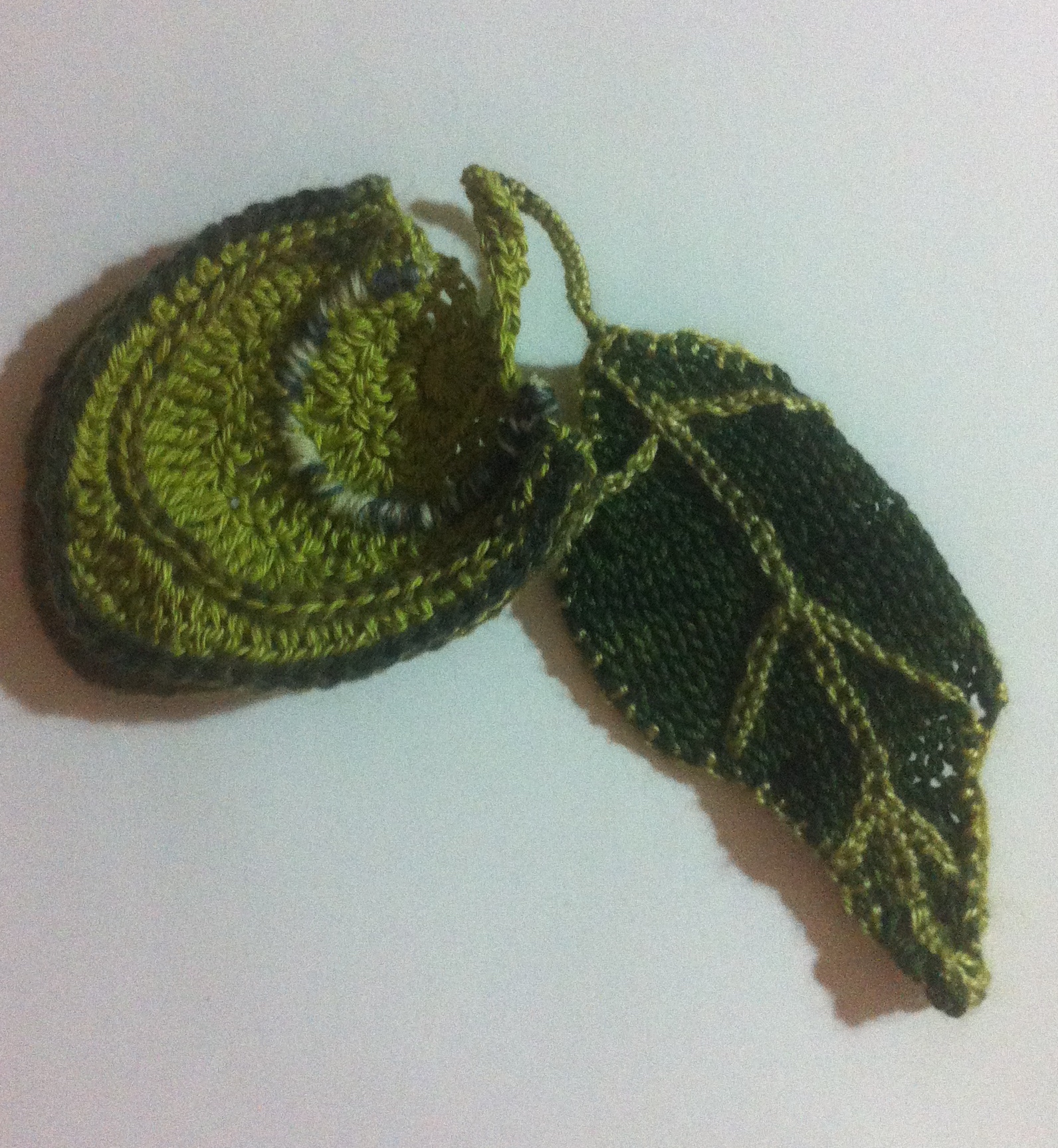
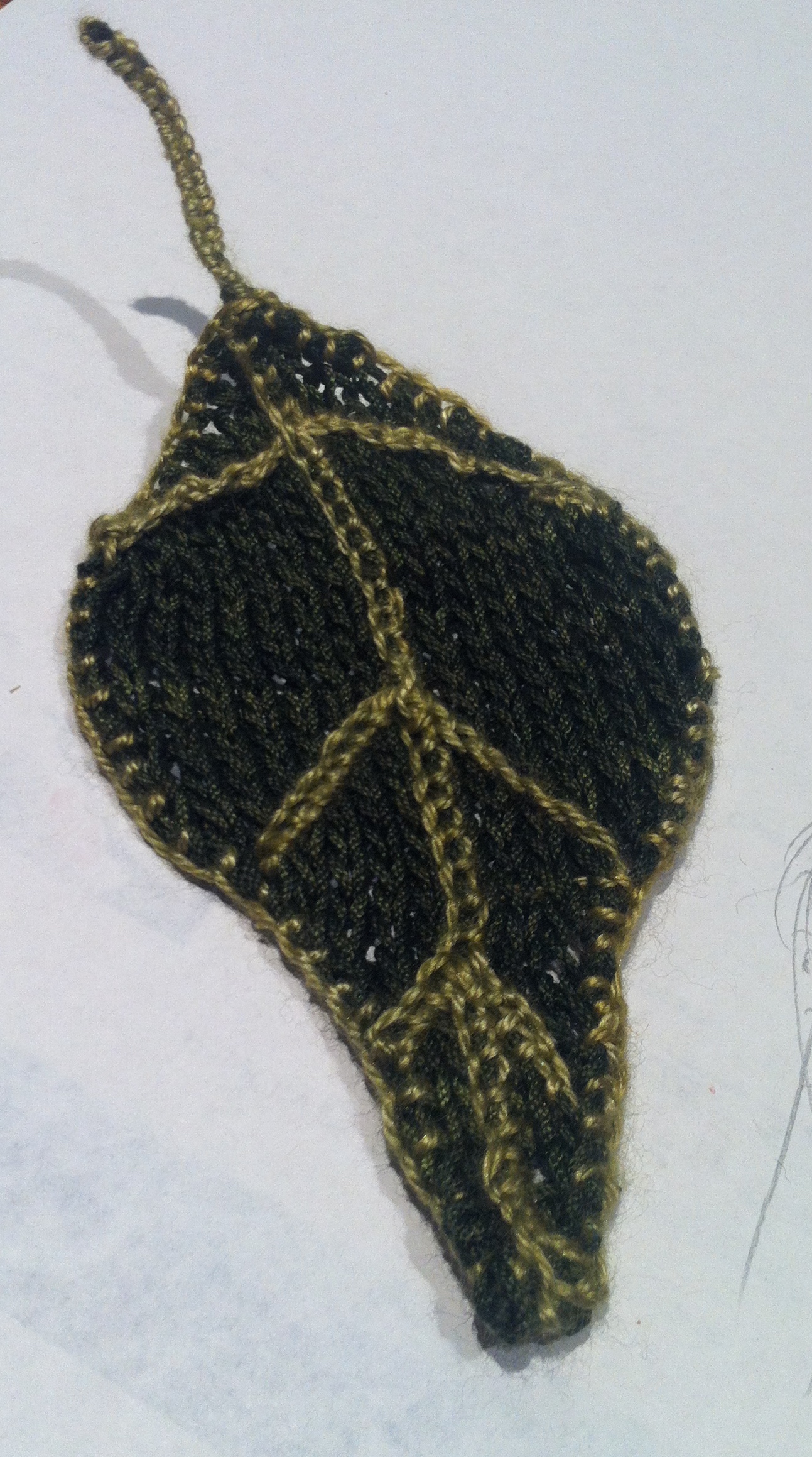
Hot on the heels of her elder sister’s engagement, the third daughter of #1 son is back from New York.

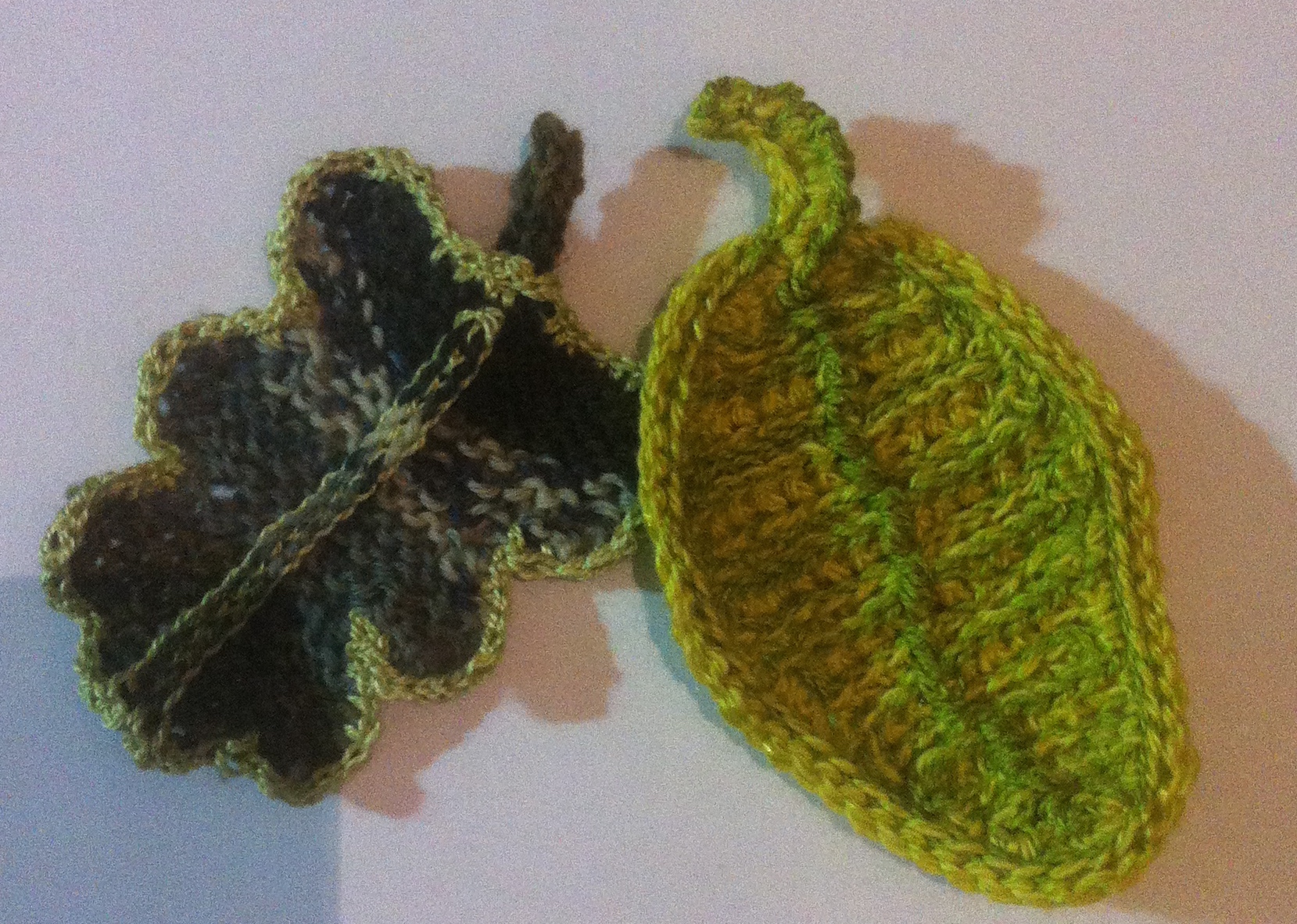
It might be recalled that of all three children, the third, shown on the right below, was the gangly one. Indeed, at her birth, her somewhat stressed father was indiscreet enough to say “she looks a bit ragged!”
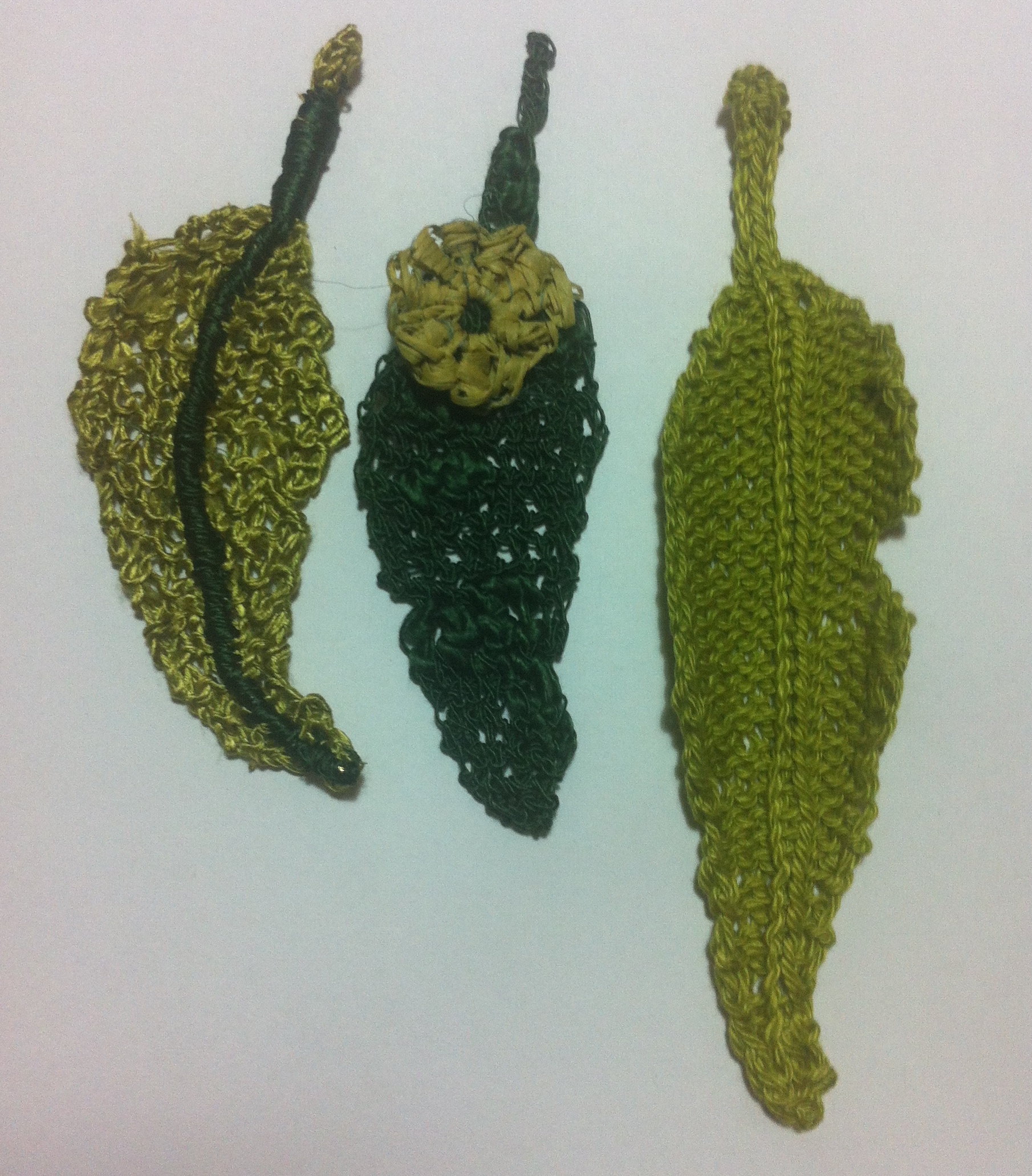
#1 son's three beautiful children

#1 son’s three beautiful children

Well, time and a hefty investment of cash improved things somewhat. Assiduous parental supervision of orthodontic work, ballet and gymnastic lessons and, yes, it can now be admitted, some surgical enhancement, resulted in a quite attractive leafette.
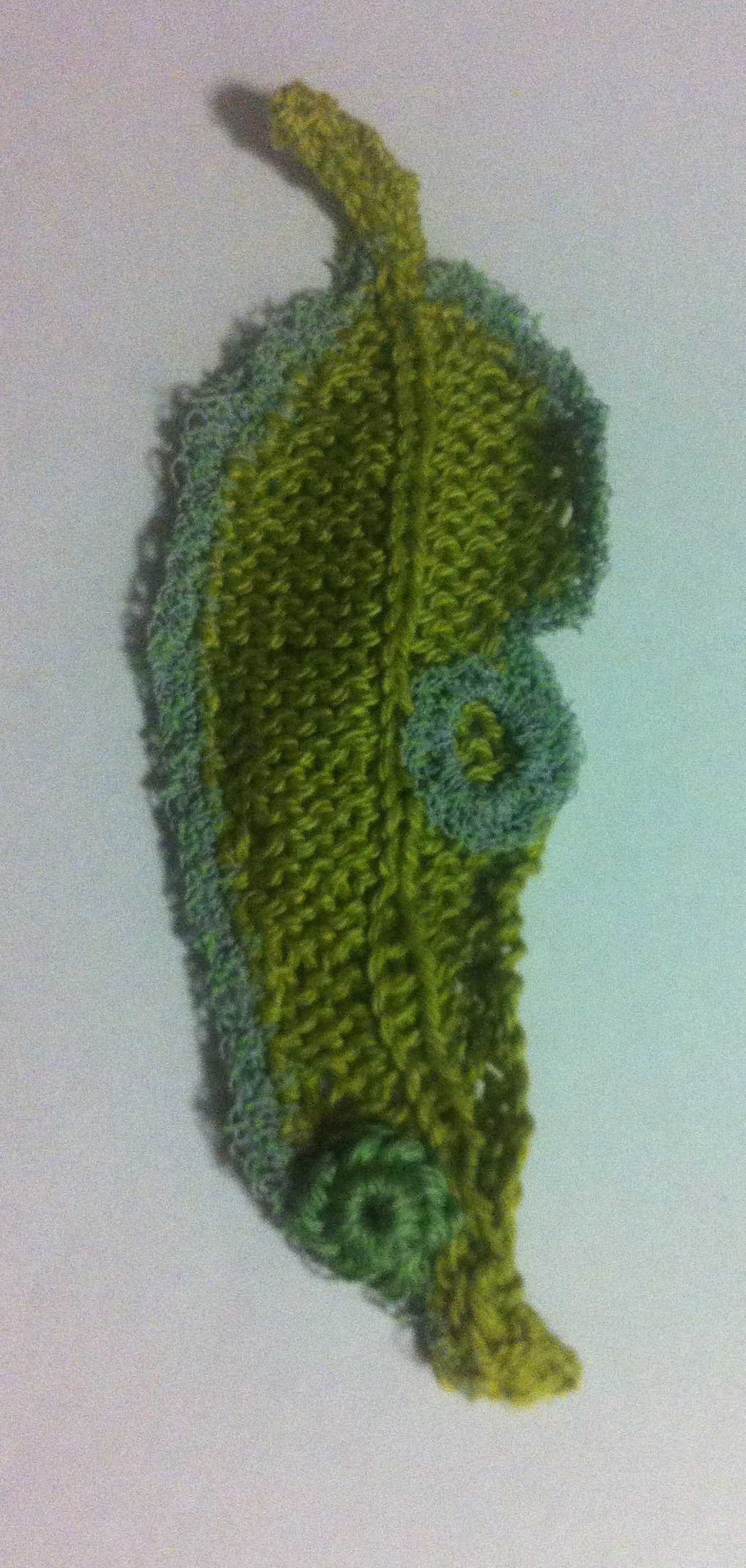
Vastly improved #3 daughter

Vastly improved #3 daughter

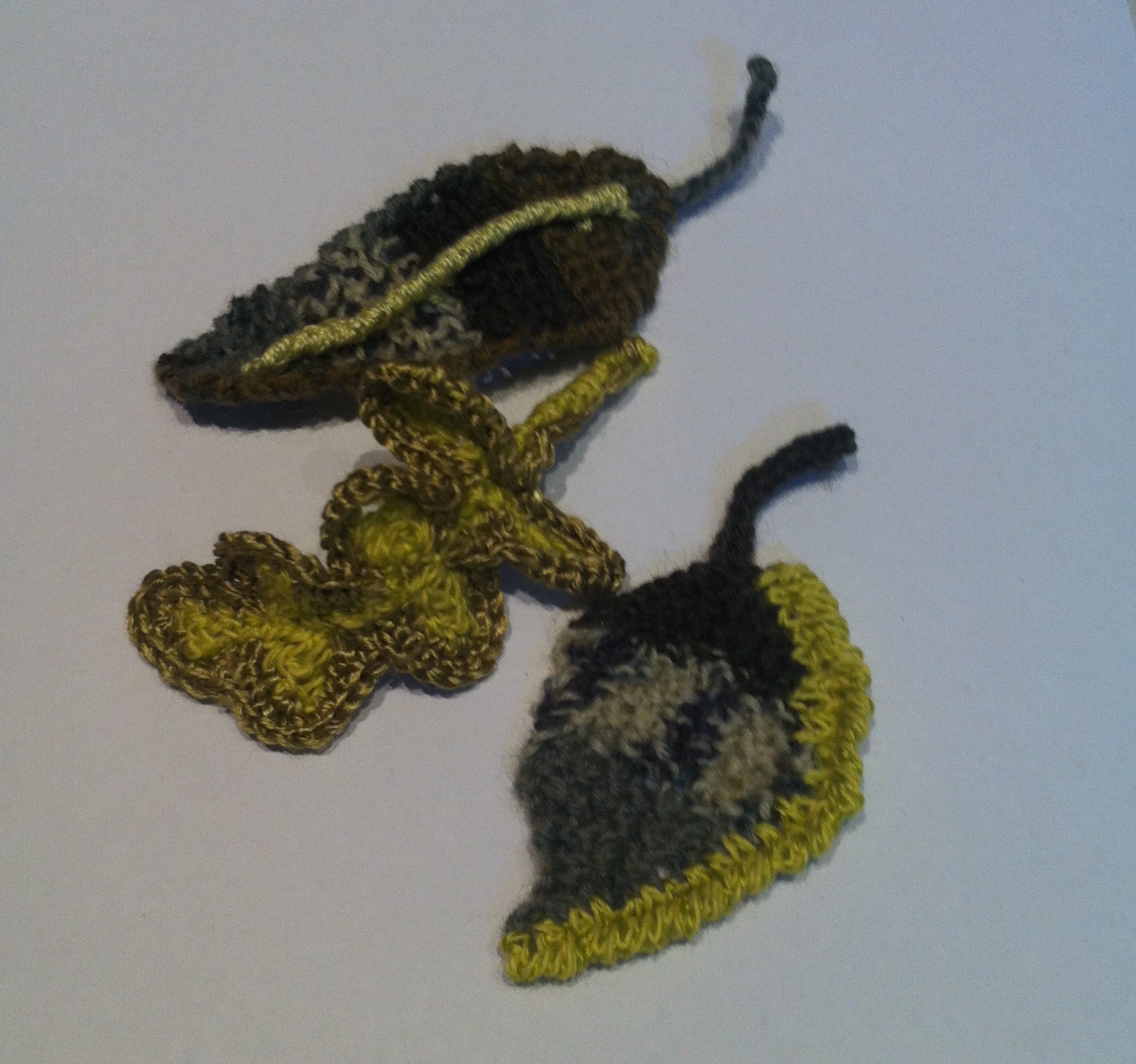
Of course, with all that attention she also acquired a conviction that she was destined for stardom on the catwalk.  When no one else in the forest could see much that distinguished her from many of the other treetop appendages, she persuaded her father to send her to New York.  Perhaps in the deciduous winter of that great city she might be seen to better advantage?  She was confident of it. As long as Daddy didn’t prejudice her success by suddenly becoming a bit niggardly with the funds for clothes and a photographic portfolio of course…….

Long suffering Dad came up with the cash to hire ROLAND – star maker. A small man, and quite gnarled, for his age ROLAND (that’s right, not just Roland; ROLAND) had suffered terribly from acne in his teens and would forever bear the scars.  Determined to put that behind him he resolved only ever to work with beautiful people.  In fact he found ugly people repulsive.  (Psychologists will be nodding wisely here.)
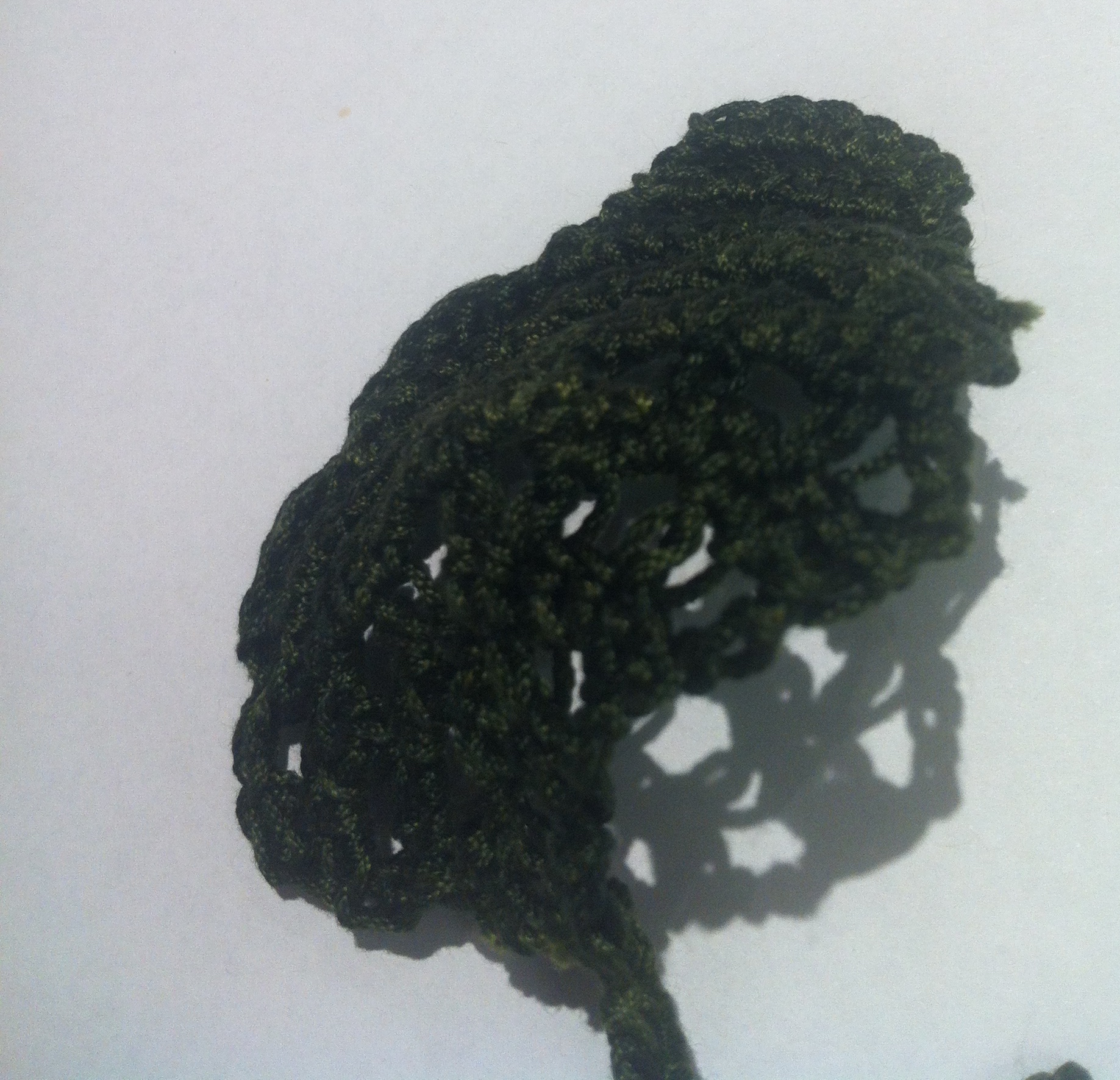
ROLAND star maker

ROLAND star maker

ROLAND toiled with his lights and cameras, suggesting endless different poses for our would be super model.  Alas, somehow they always looked the same…
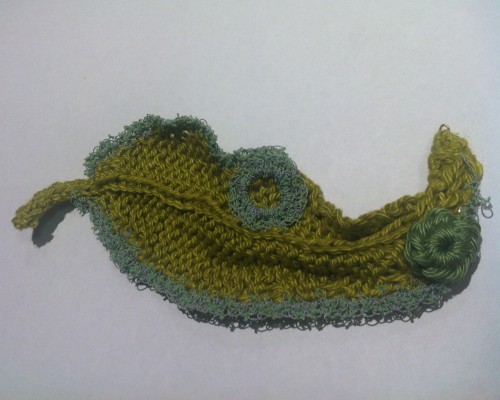
The fitness queen look

The fitness queen look


The sexy provocative look

The sexy provocative look


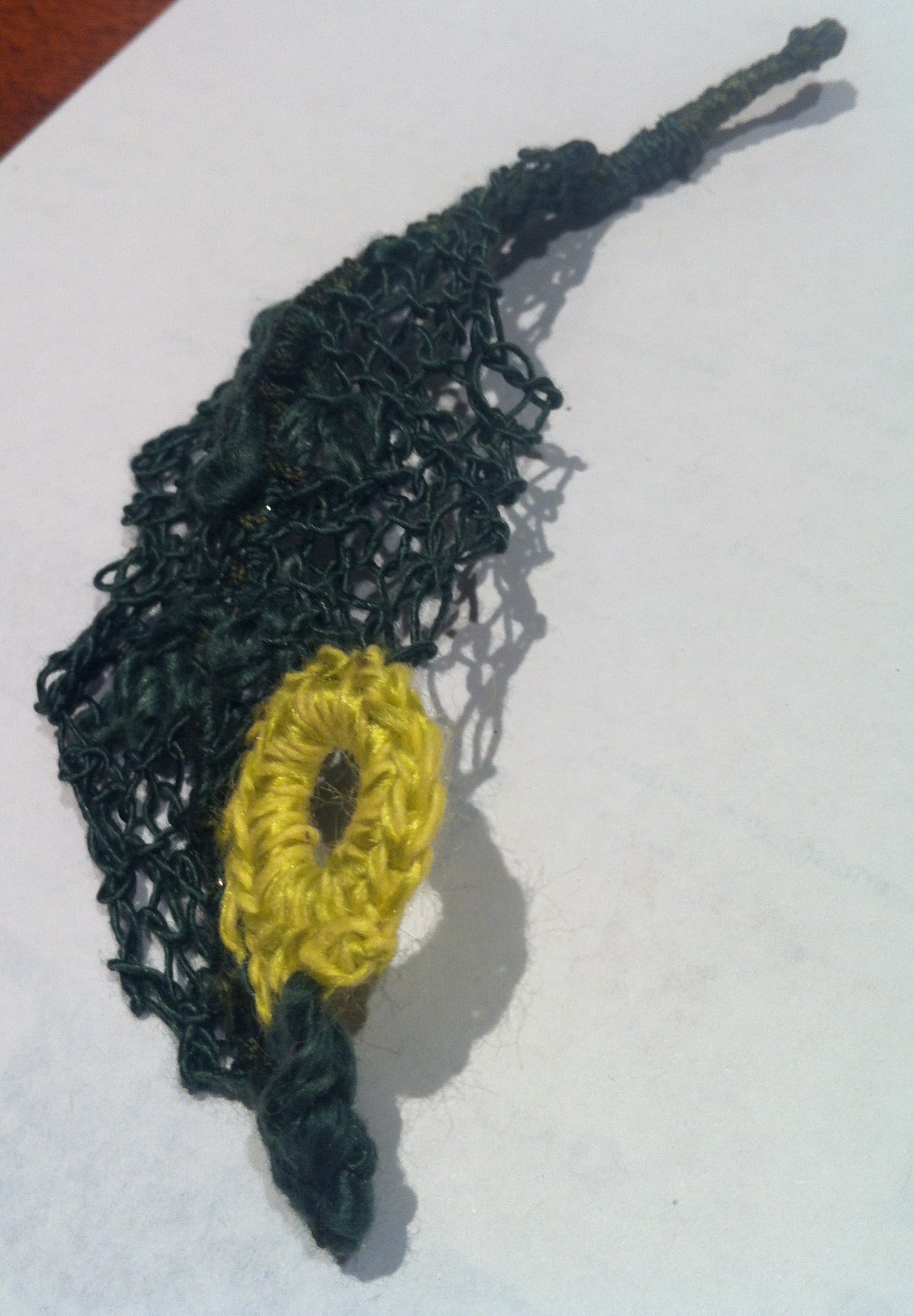
To cut a long and not very pleasant story short, ROLAND decided to head off our leafette’s screeching spiteful scorn at his failure as a star maker by doing what he always did.  He decided to leave town.  Where to?? Could he leave the now totally self absorbed and miserable leafette whose life he’d apparently ruined? Again, he ignored the issues, substituted a sense of duty,  and told her he loved her and would follow her anywhere.  Her father’s forest was a good option he suggested. It certainly sounded like a good paddock to be in.

So here is the new couple as her parents saw them when the image was splashed across  Facebook and it was announced they were coming back home.
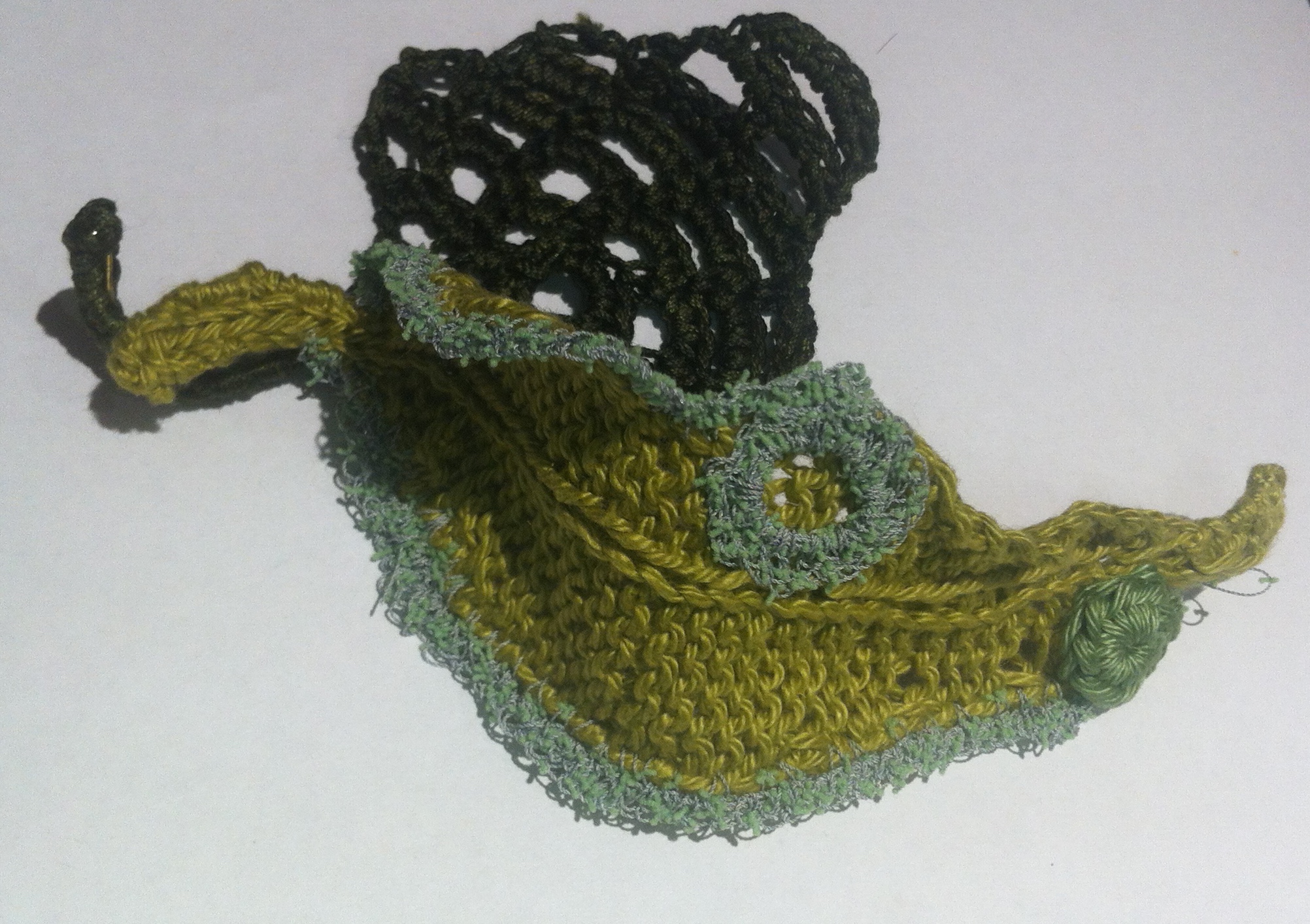
Leafette in (now) trademark) pose with ROLAND supportive and unassertive in the background.

Leafette in (now) trademark) pose with ROLAND , ex-star maker, supportive and unassertive in the background.

I have an uneasy feeling about these two.
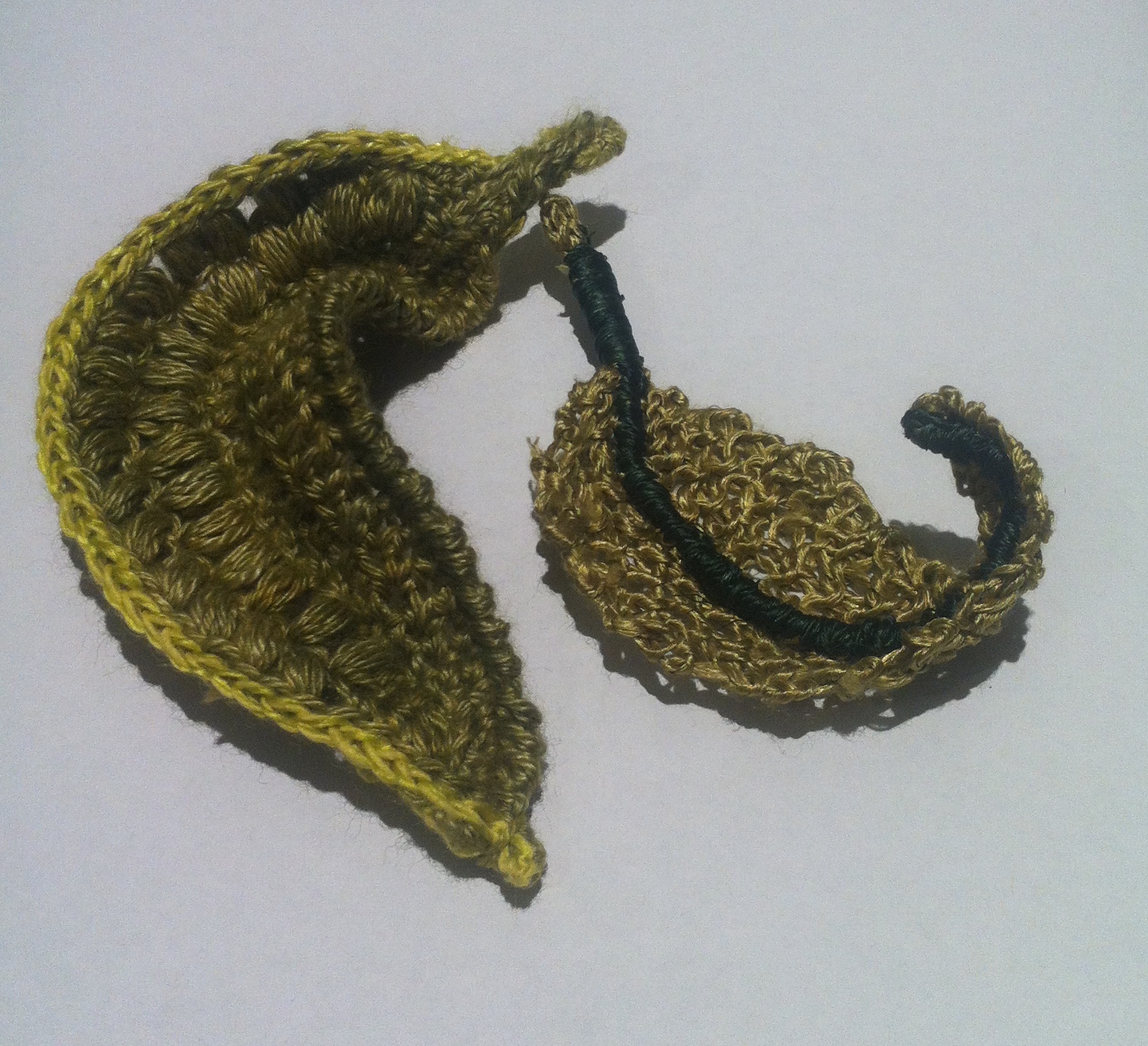
Posted in Design, freeform crocheting, freeform knitting | 2 Comments

Engagement of a Granddaughter

Readers will recall the births of the three “senior” grandchildren, that is, the children of #1 son:

#1 son's three beautiful children

#1 son’s three beautiful children

It’s fair to say that the eldest, a granddaughter (seen left in this childhood picture) has an independent attitude to life.  Her loving grandmother describes her as fearless, impatient  of middle class morés and “her own person”.  Physically, she bears this out.  She has a somewhat rigid carriage, as though her spine were wired stiff.

Her parents, who lived in a somewhat more sustained relationship with her than the grandmother would ever agree to, call her Attila.

Somewhat to her father’s surprise, a very large and quite capable looking young man has recently asked for her hand in marriage.  Never one to mince words (?a possible source of his difficult daughter’s personality traits) her darling dad replied “As long as you take all of her and not just the hand, you’re very welcome to her”.

Here is their engagement photo.  You won’t see it anywhere else as the bride to be’s venomous tail is all too apparent and no one is game to publish.

The scorpion granddaughter and her all embracing fiancé.

The scorpion granddaughter and her all embracing fiancé.

The parents of the bride draw comfort from the future groom’s large size.  They are hoping that his inclination to enfold her is not rewarded by his being eaten alive on the honeymoon.

Posted in freeform crocheting, freeform knitting | 1 Comment

More Timor Yarns

Recently  I published a picture of small balls of cotton which had been dyed with plant material in a village in the north of West Timor.

Here it is again:

Hand dyed hand spun cotton yarn from Timor

Hand dyed hand spun cotton yarn from Timor

Yesterday I used a WAFTA studio day at Craft House, Menora, to wind four skeins of commercially spun but hand dyed cotton weft yarn into balls.  The skeins were quite large but easier to wind that the hand spun.

They were dyed in Baun village, by the Kaina’e co-operative in the Amarasi Kingdom.

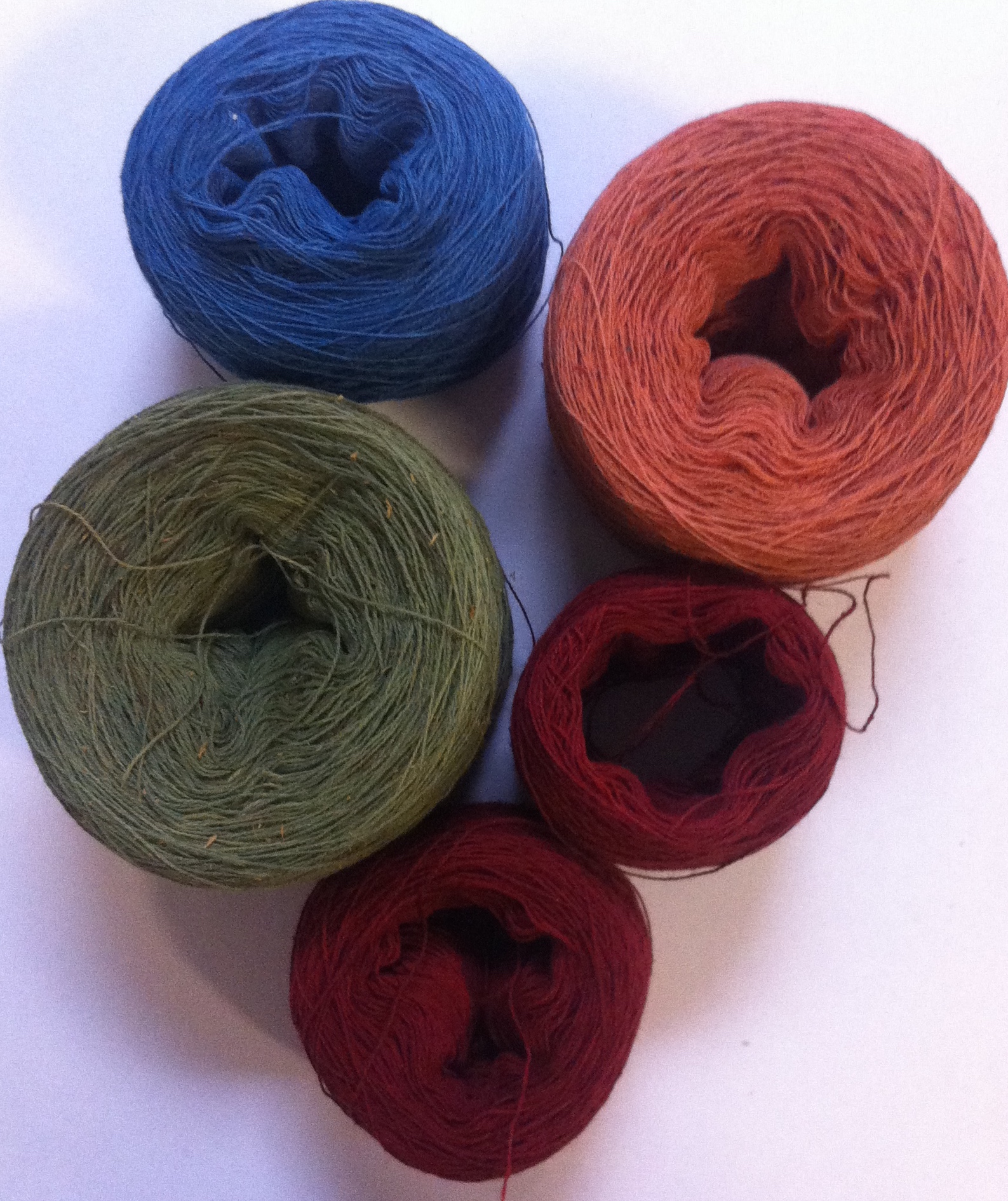
Indigo, olive green and two shades of morinda cotton weft thread dyed in Baun Village.

Indigo, olive green and two shades of morinda cotton weft thread dyed in Baun Village.

The blue above is indigo although this village uses less indigo than many others because of being in the forest with plentiful morinda bark and root around. The green is not the bright limey green of the north village so I suspect it was produced by first dyeing in indigo and then over-dyeing with mango root.  The rusty pink ball is a weak version of morinda citrifolia while the dark red is the full on strength of the same dye.  This co-operative is well known for its good morinda colour, which is due to their repeated immersion of hanks into the candle nut mixture they use to prepare the cotton for dyeing and then to the 14 or 15 consecutive dips each skein in given, being allowed to dry completely between each “dip”.  This process takes about a month.

Posted in Uncategorized | 2 Comments

Hand Dyed Yarns from Timor

Hand dyed hand spun cotton yarn from Timor

Hand dyed hand spun cotton yarn from Timor

On my recent fantastic holiday to Timor we were hosted by a village near Kefamenanu [http://activetravel.com.au/Trips/west-timor-textiles-culture/] that has begun again to use its traditional plant dyeing techniques.

We were treated to a demonstration of natural dyeing using local plants from the surrounding forest and from the village’s colour garden.

Five of us were lucky enough to receive a small skein of the results as we got back on our bus.  We were so grateful!

The yellow in the photo above was made from turmeric root. However, it’s not easy for us in Australia to do as the turmeric is mixed with mango tree bark  (an alternative is the bark of the jackfruit) after it’s been pounded.  Without this , the turmeric dyes cotton black.  The more turmeric used, the darker the yellow.

The slightly darker shade of hand spun cotton next to the yellow was made by adding a small hand full of lime to the turmeric dye bath. We were told that if the lime had been added to a fresh turmeric bath the cotton would have been a brighter orange; using it for dyeing yellow had partially exhausted the bath of course.

The lovely green is also a colour I will not be able to reproduce.  It was made by pounding pandanus leaves with a green leaf known only as “forest vine” then adding “sour citrus juice” (?lemon?).  We were also told that some dyers also add turmeric and mango bark but in what quantities?

BTW, we were also told that in most areas green is made by dipping the thread in indigo and then in turmeric and mango mix.  Since then I’ve learnt that the result is a much darker, more muted green that the fine zesty green produced in this village with the pandanus leaves.

The indigo blue on the bottom left is also a surprise.  Certainly, it is made with the fine green indigo leaves. However, the technique was unlike any I’ve seen in Australia. We get so careful with our “brews”.  We abhor oxygen and lower and raise fibre or fabric very carefully to lock out oxygen .  Our dyed material emerges an unoxidised green colour and becomes blue over time in the air.  We are all told not to disturb the surface of the indigo dye bath.

In Timor, the fine indigo plant leaves are pounded and left to soak in water overnight.  Then, when ready to dye, the dyers add lime powder.  They then squeeze dry cotton yarn through it with their ungloved hands.

Not a good photo but hopefully you can see the dyer's blue hands

Not a good photo but hopefully you can see the dyer’s blue hands


More lime is added, fibre is squeezed through again.  Then the liquid in the bath is discarded as soon as the fibre is soaked. New solution from the pounded indigo plant material is then added to the bath and the fibre and the lime is added once again.  This process is repeated up to ten times.

The young indigo leaves picked in the wet season from Jan to March give better colour.

Finally, the red brown ball is dyed in morinda citrifolia (see https://en.wikipedia.org/wiki/Morinda_citrifolia) , a local tree. The colour comes from the bark of the tree root. This is the classic colour of many plant dyed fibres in Timor.  The precise shade of red brown is determined by the composition of the soil and the numbers of times the thread is dipped in the dye.

Preparation of the yarn is key.  One recipe we were given (and there are many) was to soak 10 pounded candlenuts in 1.5 L of water overnight.  Pound again and produce a waxy, oily paste.  Manipulate the thread through this  then dry it completely.  Repeat the next day .  Do this 5 or 6 times. Once the white colour of the cotton has become yellow, it’s ready to dye. I think I gathered that this candlenut is a source of tannin so it’s tannin that prepares the fibre for  the morinda. But wait, there’s more.  There is also a mordant.  It’s called loba in the village (Symplocos cochinchinensis).Its root and, it turns out,  the leaves are rich in aluminium.

Too much information?  Well, I just wanted the record for myself!


Posted in Natural dyeing | 3 Comments

Finally! IVF produces a REAL result


In a previous note I observed that our grandparents were walking on eggshells as their daughter and her “a little bit fancy” husband

Daughter selects a mate

Daughter selects a mate


tried repeatedly to have a child via IVF.

Grandma has been watching the news and knows that there is some controversy over the claimed success rates of the IVF industry.  [see http://theconversation.com/the-art-of-deception-ivf-success-rates-are-not-what-you-think-42894]

She’s been reluctant to discuss this with her daughter as she didn’t want to elevate existing hormone driven levels of anxiety.

She need not have worried.  The young people have “gone for broke” and had three embryos implanted.  Amazingly** all have resulted in pregnancy and a delivered baby/babies.

The commodities, aka babies, are pictured below.

The grandchildren of the third daughter

The grandchildren from their daughter


**editorial comment made in ignorance and not intended to prejudice future business operations.

Whether these three will play nicely with their second cousins is still to be determined. If looks are any indication, they’ll be OK.  ARE looks any indication?

Stay tuned.


Posted in Design, freeform crocheting, freeform knitting | 3 Comments

Only Women Weave: overview of my Timor trip

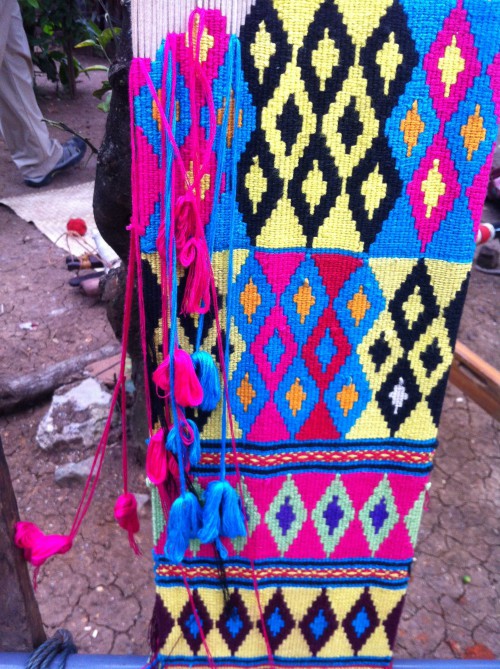
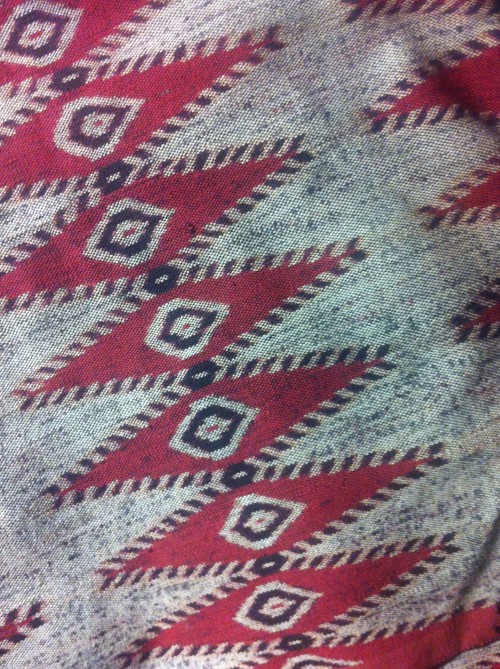
Traditional ikat weave

Traditional ikat weave

I have just had the best holiday ever.  I went to Timor in Indonesia (aka West Timor before the independence of Timor L’este).  Our guides were Ruth Hadlow and Ony Made. The trip was organised by Active Travel (http://activetravel.com.au/Trips/west-timor-textiles-culture/).

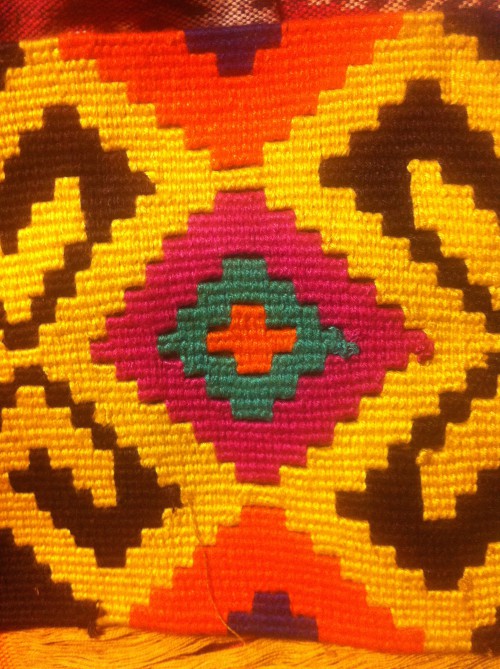
In addition to an enormous amount of Timorese culture, and some vocabulary in Bahasa Indonesian, I learned a lot about the different kinds of traditional weaving in Timor.  I was able to buy, direct from the weavers in each village we visited, examples of sotis, ikat, buna and tapestry weaving. In each village we were warmly welcomed with dancing and food, given demonstrations of natural dyeing and weaving and then provided with a gallery of beautiful cloths to buy if we wanted.


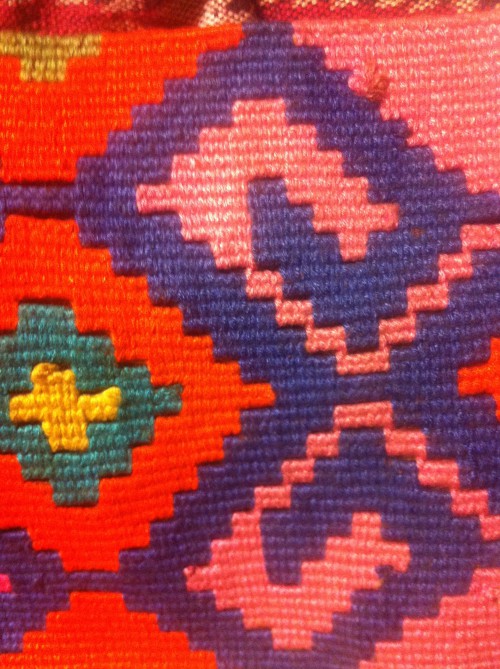
Tapestry weave

Tapestry weave

I hadn’t anticipated the degree of wanting!!! My luggage weight exiting Perth was 10.3 kg.  Checking in for the return journey at Denpasar it was 33.6kg in two cases (not including my newly acquired and very plump back pack!) Thank you to Virgin Airlines for waiving the US$100 fee for the extra case!

Tapestry weave

Tapestry weave

Tapestry  weave

Ikat

Tapestry weave

Tapestry weave

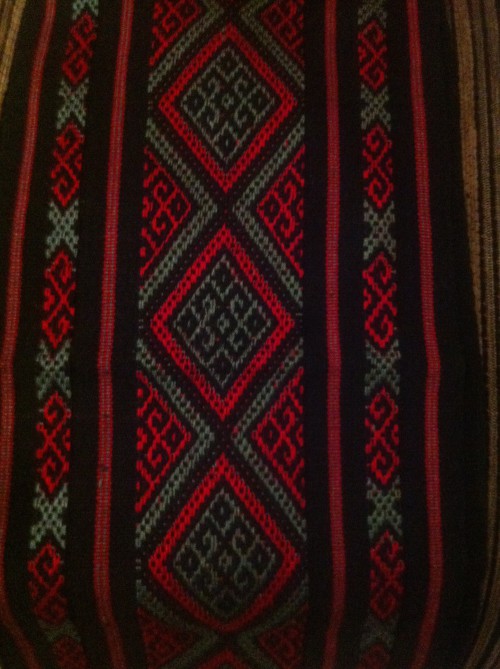
Buna weave

Buna weave

Sotis weave

Sotis weave

The trip was not five star.  It could not be.  Timor is a very poor place.  Part of Indonesia, it is a forgotten island.  Without the rich volcanic soils of other places like Bali the life of its citizens is hand to mouth.  The great thing about going there is that you can not only appreciate the beautiful traditional cloth but you can buy it, knowing that the money you pay is going into the hands of the weavers and will be used to educate their children (school fees are charged even for government schools) and health care costs.

I went to West Timor with my friend Anne Williams, a fellow member of WAFTA.  Anne and I will present our textile purchases and our insights at a WAFTA meeting early in the WAFTA year of 2016. We will have a special focus on the Yayasan Tafean Pah Foundation(YTP).  YTP has grown over the past twenty years and now has 14 weaving cooperatives spread over the  Biboki , Insana and Miomafo regions . YTP supports the weaving cooperatives by providing access to dyes, training in weaving, dyeing and design skills, cooperative management skills, and an outlet for the textiles produced by the weavers.


Posted in Clothing, Design, Natural dyeing, weaving | 5 Comments

I present a new grandmother!

Drum roll!!!!  This lady is now a proud grandmother:


Now she's a grandmother.

Now she’s a grandmother.


Her eldest born son, the one who married the somewhat stolid leafess (see below right),

#1 Son takes a wife

#1 Son takes a wife

has in a very short space of time produced three interesting children, each only slightly different from his/ her siblings (girl , boy, girl in that order):

#1 son's three beautiful children

#1 son’s three beautiful children

Fortunately their mother passed on her striking colouring and markings but not her generous stocky shape. [I’ve been asked to say discreetly that they are aware that child #3 is looking a bit raggy around the edges but she’s growing so quickly that she’s running out of collagen; her connective tissue is going to need some repair work/boosting  once  adolescence is over.   Well that’s a relief !  I look forward to presenting an elegant, sophisticated young woman once her parents secure that reverse mortgage to finance her cosmetic surgery.]

It’s definitely been a period of great excitement for both the grandparents as their second son and third child , seen here with his chosen life partner (aka “the curvy one”):

The boy baby of the family chose a really curvacious partner.

The boy baby of the family chose a really curvacious partner.

has also presented his parents with three babies:

Three gorgeous leaflings

Three gorgeous leaflings

The newest leaflings, two girls and a boy, were all born prematurely and are likely to be fitted in the future with various prostheses to enable  them to be self supporting.  They are definitely a handful for Grandma in their present state!  They will only get larger too.  However, at this point, doctors have rejected the grandparents’ offer to fund reconstructive surgery.

Our  grandparents have anticipated  queries about their daughter.

Daughter selects a mate

Daughter (right)  selects a mate

They have asked me to say only that she and her “a little bit fancy” husband are about to begin their seventh round of IVF.  They will go for broke this time with the implantation  of three seedlings in the hope of catching up with the brothers and avoiding  the bankruptcy which will inevitably follow any eighth course of treatment.  An announcement will be made as soon as there is anything to tell.

Posted in Design, freeform crocheting, freeform knitting | 4 Comments

How Quickly They Grow Up

Well a month is a long time in leaf family formation.

The three progeny of

Let's call this "the mother".

Let’s call this “the mother”.

and

Dad

Dad

have now all partnered.  Here is  the photographic evidence:

#1 Son takes a wife

#1 Son (left) takes a wife

The eldest son chose a very worthy girl.  Moss stitch is a good sensible compromise between stocking stitch and garter stitch.  Wide child-bearing hips and a Chanel inspired slimming gesture in the vertical embellishment down her front.  I expect good results from this pairing.

Daughter selects a mate

Daughter (right) selects a mate

Dad was a bit concerned about his little princess’s choice.  “A little bit fancy”, he thought privately.  Still, with such contrasting physical builds, the children should be beautiful and robust.

The boy baby of the family chose a really curvacious partner.

The boy baby of the family (right) chose a really curvacious partner.

Finally, Mum and Dad got rid of the third child when he married a girl of somewhat mottled appearance and a tendency to one dimensionality….

Posted in Design, freeform crocheting, freeform knitting | 2 Comments

Leafy Birth Notice

I wanted my leaves to be a metaphor for people.  However, they mistook themselves for rabbits and are now the proud parents of three offspring.

No. 1 son

No. 1 son

The first (above) is a boy (he’s crocheted).  He is a real chip off the old block in both colouring and body type.  His mother can’t see much of herself at all in him. That abdominal hernia perhaps?

It's a girl!

It’s a girl!

It’s OK though because next up she got her girl.  Her colouring and some body features are  her father’s but, well, she is at least a girl, and she can have fun dressing  her up a bit perhaps?

This kid's a real mixture.

This kid’s a real mixture.

Finally,  although the third child is another boy, he looks a lot like his Mum in both colouring and shape.  And , although all three siblings are so different, they will all be loved equally. Of course.

Posted in Uncategorized | 2 Comments

Trees and Family Trees

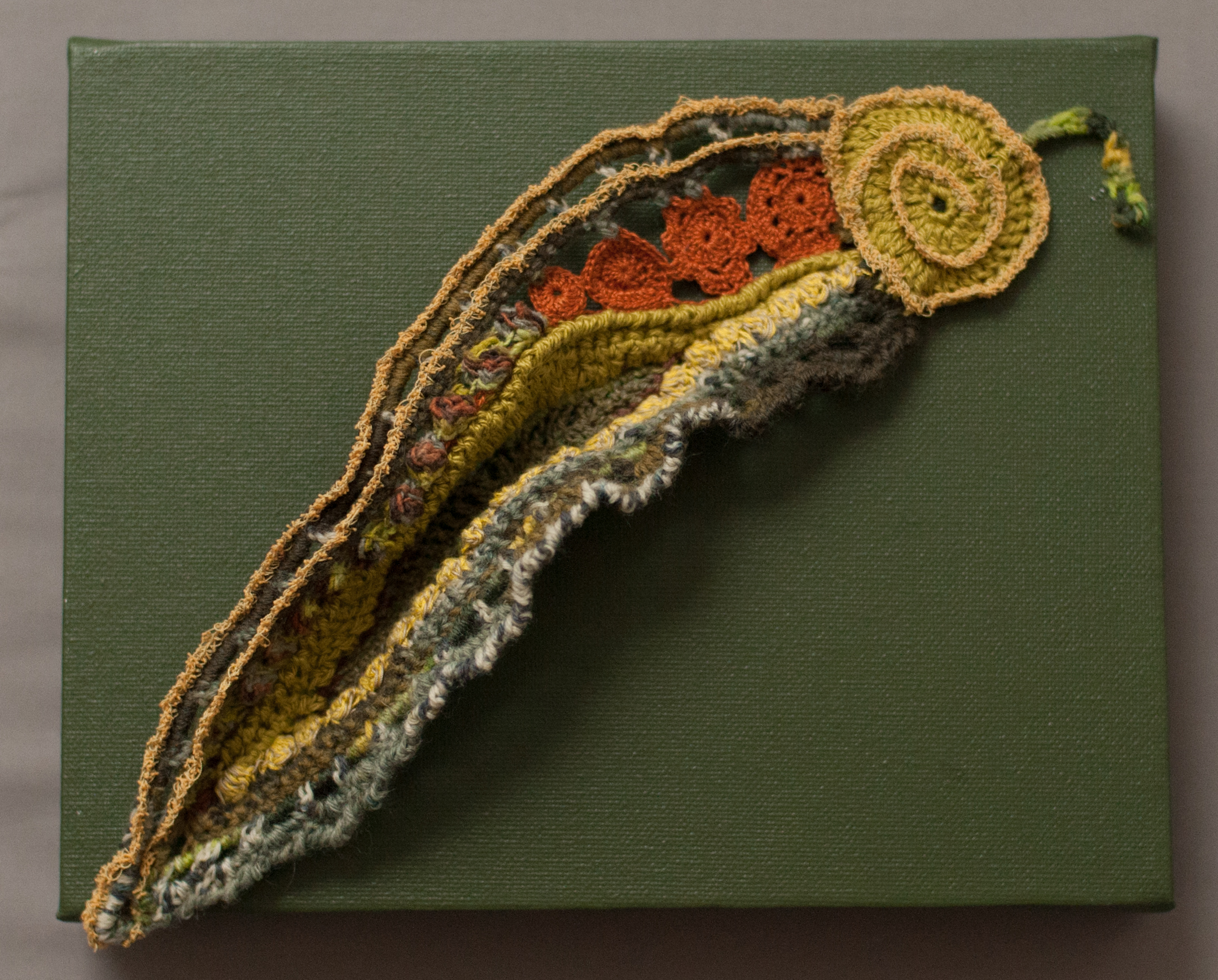
Green Leaf Series detail

Green Leaf Series detail

Having indulged in some trapunto, bead and silk ribbon embroidery and thread painting on a cruise in April I’ve returned with a yen to do more crocheting!  That’s how it goes I guess.  Mind and projects all over the place.

Anyway, I am seized with the desire to make yet more leaves.  This time, though, I want to explore the inheritance of human characteristics using leaves as metaphors for parents and children.  I hope this is not as silly and/or futile as it sounds.  I’m fascinated by the way children in a family will all be slightly different from one another, unless they are identical twins.  They each have “bits” of their parents’ characteristics.  Size, colouring, personality, appearance, shape, are all traceable to a parent.  That is unless, of course, something that is not expressed in either parent but carried by them as a recessive gene from a grandparent emerges in a child.  This is one of the things that  makes the whole process of having children so fascinating.  Each new baby is a little surprise package.  We feel we recognise it, it’s “ours”,  yet somehow we also know that we haven’t seen that precise person before.

Think first of two people of reproductive age as leaves.  (This is a stretch, I know, but hang in with me!)  What if a small, knitted , smooth surfaced, yellow- green sweet potato leaf

Let's call this "the mother".

Let’s call this “the mother”.

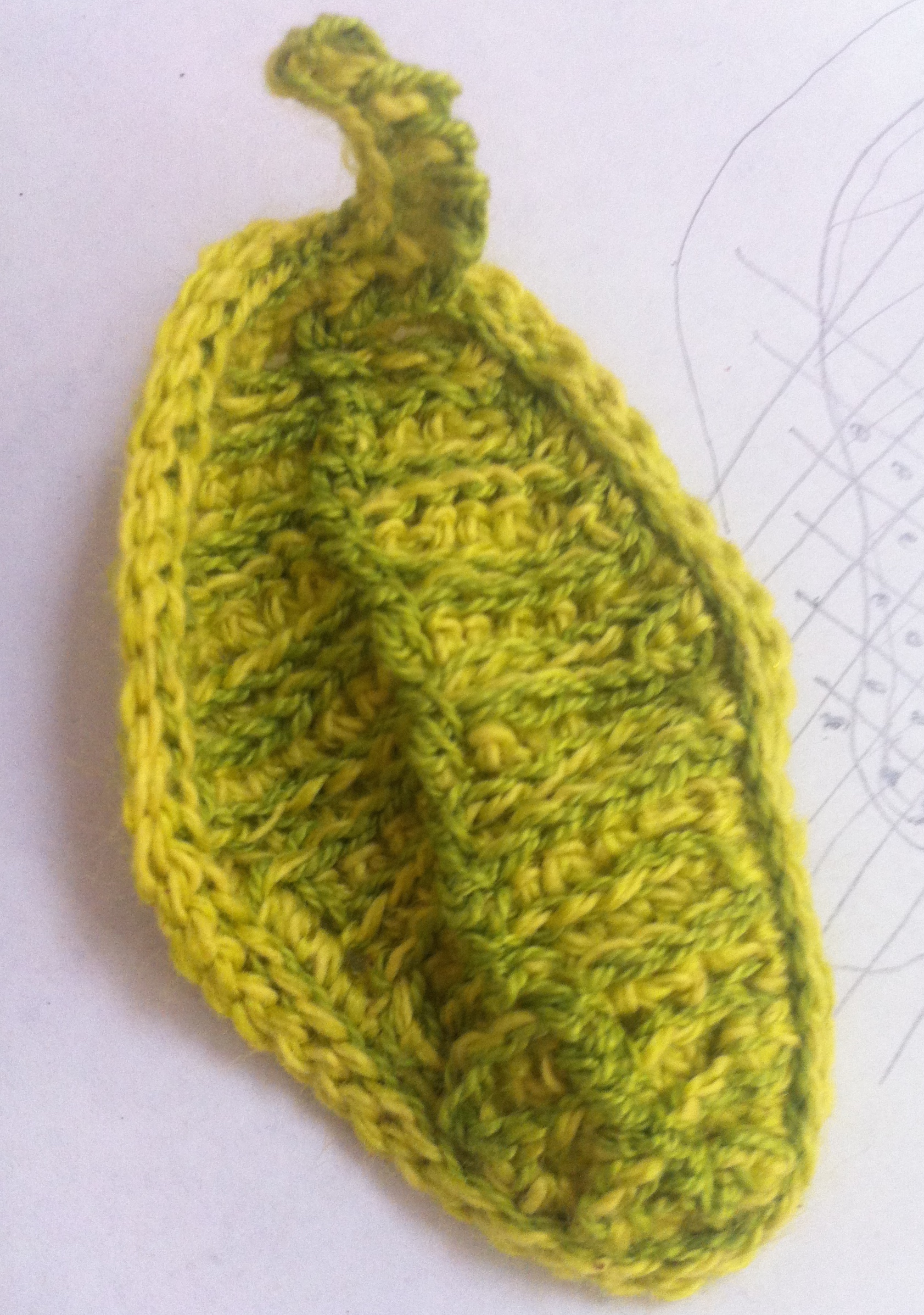
mated with a large crocheted, very textured dark  green and pale olive green gum leaf?

IMG_3479

We’ll call this “the father”.

What would a “child” leaf look like? What would three of their children look like?  When each of these children partner and reproduce, what characteristics will they in turn pass on to their “children”?

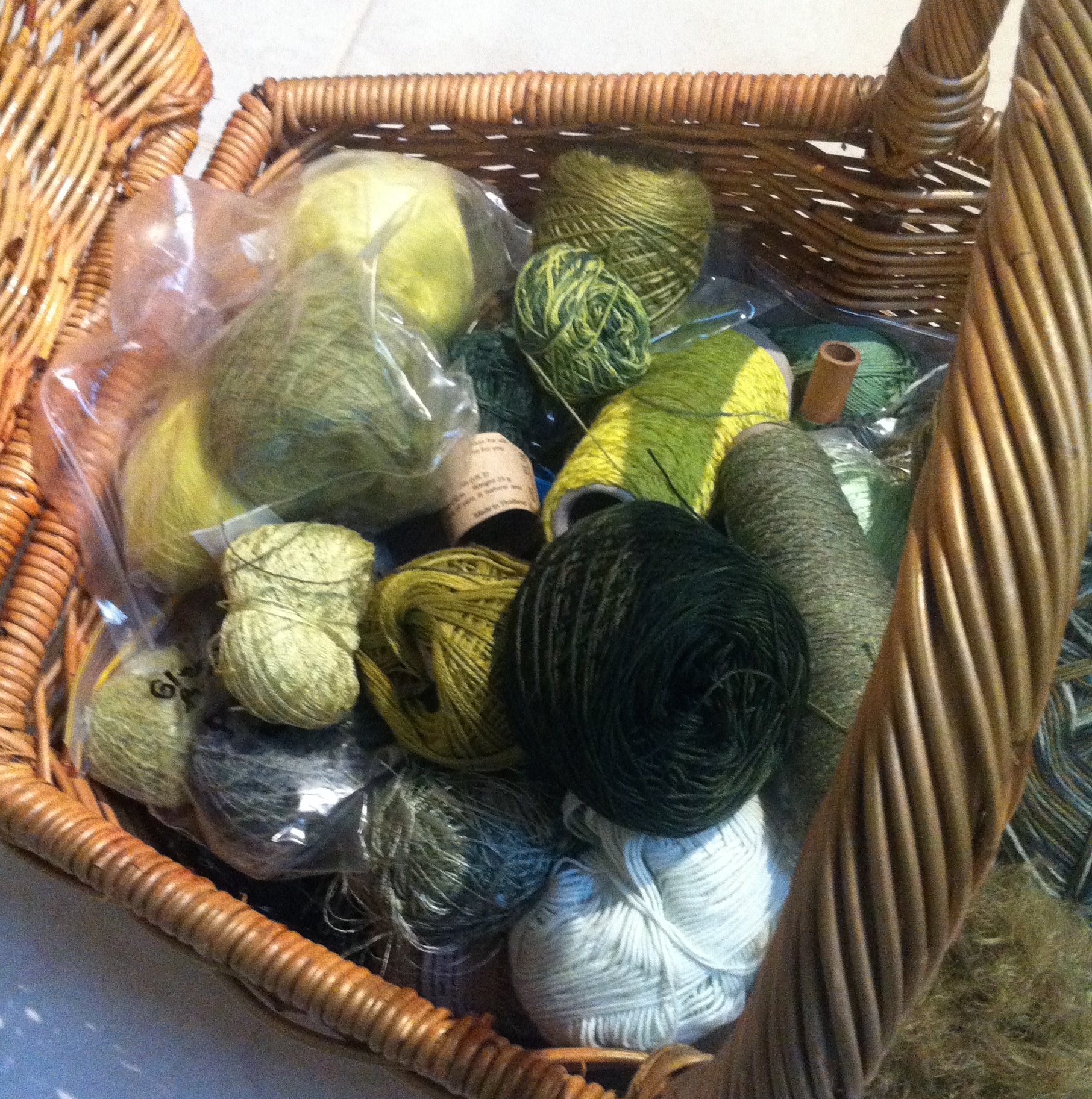
This is going to be fun!! Uncertain gestation period of course.  Some of the offspring will look more like weeds.  Stay tuned though! I’ve got plenty of “DNA” to work with.

IMG_3482

Posted in freeform crocheting, freeform knitting | 2 Comments